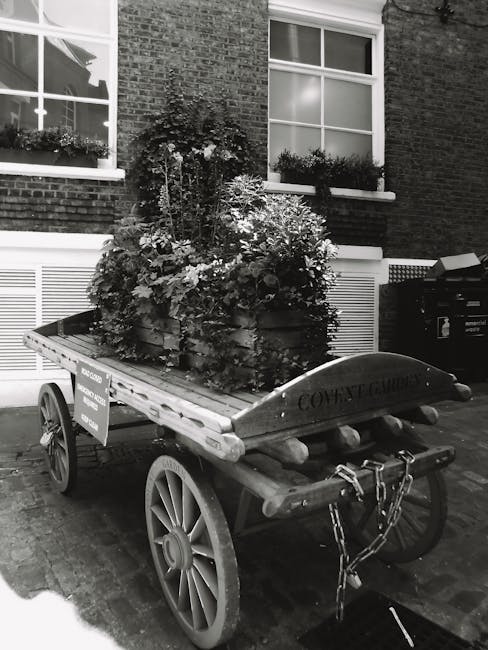
Spitalfields Market gardeners expert care for courtyard gardens
If you have a courtyard garden in or around Spitalfields, you already know the truth: small outdoor spaces can be both beautiful and demanding. One windy week, a few shady corners, and suddenly a tidy-looking yard becomes leggy, mossy, or cluttered with leaves. That is where Spitalfields Market gardeners expert care for courtyard gardens really earns its keep. It is not just about keeping things neat. It is about shaping a compact space so it looks good, works well, and stays manageable through the seasons.
This guide explains what expert courtyard garden care involves, why it matters in busy East London settings, how the work is typically carried out, and what you should expect from a professional gardener. We will also cover common mistakes, best-practice maintenance, and a practical checklist you can use before booking help. If your courtyard feels like it should be easier to enjoy than it currently is, you are in the right place.
Table of Contents
- Why Spitalfields Market gardeners expert care for courtyard gardens Matters
- How Spitalfields Market gardeners expert care for courtyard gardens Works
- Key Benefits and Practical Advantages
- Who This Is For and When It Makes Sense
- Step-by-Step Guidance
- Expert Tips for Better Results
- Common Mistakes to Avoid
- Tools, Resources and Recommendations
- Law, Compliance, Standards, or Best Practice
- Options, Methods, or Comparison Table
- Case Study or Real-World Example
- Practical Checklist
- Conclusion
- Frequently Asked Questions
Why Spitalfields Market gardeners expert care for courtyard gardens Matters
Courtyard gardens are unforgiving in a way larger gardens are not. There is less room for error, less soil volume, fewer planting opportunities, and usually more hard landscaping around the edges. That means every decision shows quickly. A plant that is slightly too large can dominate the whole space. A drainage issue that would be minor in a bigger garden can become the thing you notice every time it rains. And because many courtyard gardens sit close to homes, restaurants, offices, or shared entrances, they need to look presentable almost all the time.
In Spitalfields, that pressure is even more obvious. The area blends busy streets, period buildings, modern apartments, and private courtyards tucked behind walls or railings. These spaces often carry a lot of character, but character alone does not keep a garden healthy. Expert care does. Good gardeners understand how to balance style with practical maintenance, how to choose plants that can cope with shade or reflected heat, and how to keep the space feeling calm rather than cramped.
To be fair, courtyard gardens can be a bit deceptive. They look small, so people assume they will be easy. Then the ivy gets away, the container plants dry out, the paving turns slippery, and suddenly the smallest patch of green is taking up half your weekend. That is exactly why a considered, professional approach makes such a difference.
For homeowners, landlords, and businesses alike, proper courtyard care protects appearance, safety, and long-term plant health. It can also prevent unnecessary replacement costs. A plant managed early is usually easier to save than one left to struggle for months.
If your outdoor space needs broader upkeep beyond planting and pruning, a structured service such as garden maintenance can help keep the basics under control throughout the year.
How Spitalfields Market gardeners expert care for courtyard gardens Works
Expert courtyard garden care starts with observation. A skilled gardener will not rush straight into cutting things back or adding new plants. They will first look at light, airflow, soil condition, water movement, access, and the way the space is actually used. A courtyard is often a puzzle. The solution has to fit the architecture as much as the planting.
The work usually begins with a practical assessment. Where does the sun fall in the morning? Which corners stay damp? Which plants are thriving, and which ones are clearly hanging on by a thread? Is there enough root depth for the existing shrubs? Are containers draining properly? In compact gardens, these details matter a lot more than people realise. A plant can fail simply because it is in the wrong pot, on the wrong side of a wall, with not enough room below the surface.
From there, the gardener will build a maintenance plan. That might include pruning, deadheading, feeding, soil improvement, reshaping overgrown plants, refreshing mulch, cleaning paving, and adjusting the planting scheme so the garden remains balanced. In many cases, the job also includes improving structure with climbers, raised planters, or carefully chosen evergreen elements. Small spaces need rhythm. They need a few strong anchors, not a random mix of whatever looked nice at the garden centre on a Saturday afternoon.
Spitalfields gardeners working on courtyards often have to think in layers. The top layer might be flowers or seasonal foliage. The middle layer may be shrubs, ferns, or climbers. The lower layer might include groundcover, pots, and edging plants that soften hard surfaces. When all three levels work together, the garden feels fuller without becoming cluttered.
If the space includes decking, stone, or rendered walls, it can also be useful to combine garden care with improvements to the hard surfaces. Services such as landscaping and decking services may help the garden work better as a whole, not just look tidier for a week or two.
Key Benefits and Practical Advantages
There are the obvious benefits, and then there are the ones people only notice after a few months. The obvious ones are cleaner lines, healthier plants, and a courtyard that feels more inviting. The quieter benefits are often the real value.
- Better plant survival: Courtyard plants are often exposed to heat, shade, wind tunnels, and inconsistent watering. Expert care helps match plant choice to actual conditions, which reduces losses.
- Less time spent chasing problems: Regular attention prevents small issues from turning into awkward, expensive ones. A dry container, a blocked drain, or a leggy shrub is much easier to deal with early.
- Improved use of space: In a courtyard, every square metre matters. Smart pruning and layout decisions can make the space feel wider, calmer, and easier to move through.
- Cleaner presentation: Whether it is for private enjoyment or a shared property, a maintained courtyard gives a far better first impression.
- Reduced safety risks: Mossy paving, loose leaves, or overgrown access points can create avoidable hazards. Routine care helps keep pathways more reliable underfoot.
- Stronger seasonal interest: A good gardener can keep the space looking alive through winter, spring, summer, and autumn rather than only during peak bloom.
There is also a psychological benefit. A tidy, planted courtyard tends to feel like a pause button in a noisy neighbourhood. You open the door, step outside, and the sound changes. Less traffic hum, a bit more leaf movement, a bit more breathing room. Not a miracle, obviously. But close enough on a Thursday morning.
Who This Is For and When It Makes Sense
This kind of expert care is especially useful for people who want the garden to stay attractive without spending constant weekends on it. That includes busy homeowners, landlords preparing a property, small hospitality businesses, office courtyards, and residents in managed buildings where appearance matters and shared standards are expected.
It also makes sense if your garden has any of the following traits:
- limited sunlight or deep shade
- container planting that dries out quickly
- mature plants that are getting too large
- poor drainage or patchy damp areas
- awkward access through narrow side passages
- hard landscaping that dominates the space
- a mix of decorative and practical uses, such as seating plus planting
If you are trying to decide whether to bring in help, ask yourself a simple question: do I want this garden to look decent once, or stay decent all year? If it is the second one, professional maintenance usually pays for itself in time saved, plant health, and fewer ugly surprises.
For larger tidy-up jobs, renovation starts, or a space that has been left alone a bit too long, garden clearance can be a sensible starting point before the finer courtyard work begins.
Step-by-Step Guidance
A proper courtyard care process is orderly. It should feel calm and methodical, not rushed. Here is how a well-run service normally works.
- Initial review: The gardener looks at the layout, plants, drainage, access, and current condition. This is where the practical constraints show up.
- Prioritise the biggest problems: Overgrowth, dead plants, poor drainage, and damaged containers are usually tackled first because they affect everything else.
- Prune with purpose: Courtyard pruning should create air, shape, and proportion. The aim is not to strip everything back. It is to make space for growth and light.
- Refresh the planting structure: This might include replacing tired plants, grouping pots more effectively, or introducing evergreens for year-round interest.
- Improve the surface conditions: Clearing debris, reducing moss, and tidying edges make the space feel maintained straight away.
- Feed, water, and mulch appropriately: Courtyards often need more attentive watering than open gardens because pots dry quickly and shallow soils can struggle.
- Create a maintenance rhythm: A monthly or seasonal routine helps the garden stay in shape rather than slipping back into chaos after one good clean-up.
That last step matters more than people think. A courtyard garden can look beautiful for a week after a reset, but without a plan it quietly drifts back. The point of expert care is continuity. Not perfection. Continuity.
Expert Tips for Better Results
Here is where experience really helps. Small gardens reward judgement. They punish guesswork.
- Choose fewer, stronger plants: In compact spaces, restraint usually works better than variety for variety's sake. One good evergreen can do more than five weak fillers.
- Think vertically: Walls, trellises, and climbers can add softness without stealing precious floor space.
- Do not over-pot everything: Large containers can look impressive, but they can also be heavy, water-hungry, and awkward to move. Balance size with practicality.
- Watch the microclimate: A courtyard can be hotter near a brick wall and cooler in a shaded corner. Those differences change what thrives where.
- Keep an eye on drainage after heavy rain: If water pools for too long, the problem is usually structural, not just horticultural.
- Prune lightly and regularly: A little often is usually better than a dramatic haircut once a year. Plants recover more smoothly, and the garden stays neater.
A small aside: if a plant is growing like it has a personal grudge against the rest of the garden, it probably needs attention sooner rather than later.
Also, keep seasonal rhythm in mind. Early spring is often about cleaning, checking winter damage, and resetting structure. Late summer is more about tidying tired growth, refreshing display plants, and preparing for shorter days. Autumn can be lovely in courtyards, but it is also leaf season, and leaves have a habit of sneaking into every corner.
Common Mistakes to Avoid
Courtyard gardens often go wrong in familiar ways. The good news is that most of them are preventable.
- Using plants that are too big for the space: A large shrub can overwhelm a courtyard within one growing season. Always check mature size, not just the label height.
- Ignoring light levels: People buy plants for looks, then wonder why they fail in a shady or wind-exposed courtyard. The plant was not being difficult; the placement was.
- Filling every corner: Crowding makes a small space feel smaller. Leave some visual breathing room.
- Letting containers dry out completely: Pots in sheltered urban courtyards can lose moisture fast, especially in warmer weather.
- Pruning everything the same way: Not all plants respond well to the same treatment. Some need gentle shaping, some hard cuts, some almost none.
- Forgetting maintenance access: Beautiful planting is great until no one can reach the back edge without dragging a hose across the patio.
The most common mistake, honestly, is assuming the job is finished once the garden looks tidy. In reality, that is the start of the useful part. A courtyard needs ongoing judgement, not just a one-off clean-up.
Tools, Resources and Recommendations
Expert courtyard care does not require a mountain of equipment, but the right tools make a visible difference. Good gardeners usually rely on a mix of hand tools, pruning tools, cleaning equipment, and watering essentials suited to small spaces.
Useful items often include:
- sharp secateurs for precise cutting
- longer-handled loppers for thicker stems
- hand forks and trowels for container work
- watering cans or fitted hose solutions for controlled watering
- brooming and sweeping tools for hard surfaces
- mulch and compost for soil improvement
- gloves and eye protection when cutting back dense growth
For homeowners, the main recommendation is simple: keep a few good-quality tools rather than lots of flimsy ones. In a courtyard, precision beats brute force. Every time.
If you are comparing broader service support, it may help to review a provider's overall offer through a page like services overview, especially if your courtyard needs maintenance alongside structural improvements or seasonal tidy-ups.
And if you are trying to budget sensibly, you can look at a provider's pricing and quotes information before you commit. That is usually the sensible first step, not the glamorous one, but still the sensible one.
Law, Compliance, Standards, or Best Practice
For most courtyard gardens, the biggest compliance considerations are practical rather than dramatic. If the space is part of a shared building, access rules, neighbour considerations, and waste handling all matter. In London, you also want to be careful with working methods that could create noise, mess, or trip hazards in tight communal settings.
Good practice usually includes:
- working safely around slippery paving and narrow access routes
- removing green waste responsibly and keeping the site tidy
- using appropriate protective equipment when pruning or cutting
- avoiding damage to shared surfaces, walls, fences, and drainage points
- respecting any building management arrangements or quiet-hour expectations
If a job involves tree work, significant height, or removal of substantial growth, it is sensible to use trained professionals rather than improvising. That is particularly true where falling material, awkward access, or nearby property could create avoidable risk. For more involved work, a service such as tree lopping and removal may be relevant, but only where the actual situation calls for it.
Reputable providers should also be able to explain how they approach safety, insurance, and responsible working practices. You can review pages such as health and safety policy, insurance and safety, and recycling and sustainability to understand the standards a business says it follows. Those details are not flashy, but they are reassuring. And rightly so.
There is also a simple, universal standard worth remembering: if something looks unsafe or uncertain, pause and assess it. Courtyard gardens reward care, not haste.
Options, Methods, or Comparison Table
Different courtyard gardens need different levels of support. Some only need regular tidying. Others need a more considered rework. The table below gives a practical comparison.
| Approach | Best for | Strengths | Limitations |
|---|---|---|---|
| Light maintenance | Established gardens that are mostly under control | Affordable, quick, keeps things fresh | Won't solve deeper planting or drainage issues |
| Seasonal reset | Courtyards that have become tired or overgrown | Creates an immediate improvement and clearer structure | May need follow-up visits to maintain momentum |
| Planting-led redesign | Spaces needing stronger visual balance or better plant choice | Improves long-term looks and usability | Needs more planning and a bigger initial change |
| Hardscape and planting refresh | Courtyards with worn surfaces, poor flow, or outdated layout | Transforms both function and appearance | Usually more involved and may take longer |
Which option is best? It depends on how the space is used, how much time you have, and whether the garden is simply untidy or genuinely underperforming. Sometimes a light touch is enough. Sometimes, not so much.
Case Study or Real-World Example
Imagine a Spitalfields courtyard tucked behind a converted building. It has two slim planting beds, several containers, and a small seating area. At first glance it seems fine, but on closer look the climbing plants are thinning at the base, the pots are crowded, and a damp corner is encouraging moss near the paving edge.
The first step would be to clear debris and identify what is actually worth keeping. One shrub might be reshaped rather than replaced. A tired planter could be swapped for something that suits the light better. A climber might need support and a gentler prune to bring growth back into balance. The paving would be cleaned, not just for appearance but because it becomes part of the sense of order. Then the gardener would introduce a simple maintenance rhythm: regular checks, seasonal trimming, watering review, and small adjustments rather than big interventions every few months.
The result is not a garden that suddenly looks like a magazine spread. Real life is messier than that, and that is fine. The result is a space that feels calmer, better proportioned, and easier to keep under control. More importantly, it stays that way longer.
That is the quiet value of expert courtyard care. It makes the space usable again without turning it into a full renovation project.
Practical Checklist
Use this checklist if you are thinking about booking courtyard garden care or assessing your space before work begins.
- Check how much direct sun the courtyard gets across the day
- Look for standing water, moss, or soggy soil after rain
- Note any plants that have outgrown their containers or beds
- Identify what must stay for privacy, screening, or design
- Confirm whether access is narrow, shared, or restricted
- Decide whether you need tidying, pruning, planting, or a bigger reset
- Ask how waste will be removed and recycled
- Review whether the provider explains safety and insurance clearly
- Consider how often the garden will need follow-up care
- Set a realistic budget based on what the space actually needs
If you can tick most of those boxes, you are already in a strong position. If not, that is fine too. It just means the job needs a bit more planning, which is normal in small urban gardens.
Conclusion
Spitalfields courtyard gardens are at their best when they feel easy to enjoy and simple to maintain. That takes more than a quick tidy. It takes judgement, consistency, and a real understanding of how compact urban gardens behave in changing light, weather, and daily use.
Spitalfields Market gardeners expert care for courtyard gardens is ultimately about making small spaces work hard without looking overworked. With the right planting choices, careful pruning, sensible maintenance, and a calm, methodical approach, a courtyard can become one of the most pleasant parts of a property rather than the bit everyone ignores.
If you are ready to improve a courtyard that has been slipping behind, talk to a team that understands both the practical and visual side of the job. If you want to learn more about the people behind the service, visit the about us page, or get in touch through the contact us page to discuss what your space needs.
Get a free quote today and see how much you can save.
Sometimes all a courtyard needs is the right hands and a bit of patience. The rest tends to follow.
Frequently Asked Questions
What makes courtyard gardens different from normal gardens?
Courtyard gardens are usually smaller, more enclosed, and more exposed to microclimate issues like shade, reflected heat, or poor airflow. That means plant choice, drainage, and maintenance all need more care than in a larger garden.
How often should a courtyard garden be maintained?
That depends on the planting style and how visible the space is, but many courtyard gardens benefit from monthly attention during the growing season and lighter seasonal checks through the rest of the year.
Can a small courtyard still look lush?
Absolutely. In fact, small spaces can look very lush if the planting is layered carefully and the proportions are right. The trick is using a few strong plants and making the vertical space work for you.
What if my courtyard gets very little sunlight?
Shadier courtyards are common in Spitalfields and similar parts of London. A knowledgeable gardener can choose shade-tolerant plants and manage moisture so the garden still feels lively rather than gloomy.
Is courtyard garden care expensive?
The cost depends on whether the job is simple maintenance, a seasonal reset, or a larger rework. The best way to keep costs sensible is to be clear about your priorities and ask for a quote based on the actual condition of the space.
Do I need a full redesign or just maintenance?
If the layout works and the plants are basically healthy, maintenance may be enough. If the space feels cluttered, unbalanced, or difficult to keep tidy, a redesign or partial refresh may be the better choice.
What are the biggest mistakes people make with courtyard planting?
The most common mistakes are overfilling the space, choosing plants that grow too large, ignoring drainage, and not accounting for light levels. Those mistakes are easy to make and annoying to fix, which is why planning helps.
Can hard landscaping be improved at the same time?
Yes. In many courtyards, the hard surfaces are part of the problem or part of the solution. Cleaning, reshaping, or improving the layout can help the planting feel more settled and balanced.
How do I know if a gardener understands courtyard spaces properly?
Look for practical questions about light, access, drainage, privacy, and maintenance frequency. A good gardener will talk about how the space behaves, not just what they plan to cut back.
What should I ask before booking a service?
Ask what is included, how waste is handled, whether the provider is insured, how they approach safety, and whether the work will solve immediate problems as well as set the garden up for future care.
Can regular maintenance really make a small garden easier to enjoy?
Yes, and usually more than people expect. Regular care stops tiny issues from building up, which means you get to enjoy the space instead of constantly catching up with it. That alone is a pretty good win.
What is the next sensible step if my courtyard feels overwhelming?
Start with a straightforward assessment of what is healthy, what is overgrown, and what simply needs removing. From there, a proper maintenance or clearance plan becomes much easier to shape.